-
No Item Added in Cart.


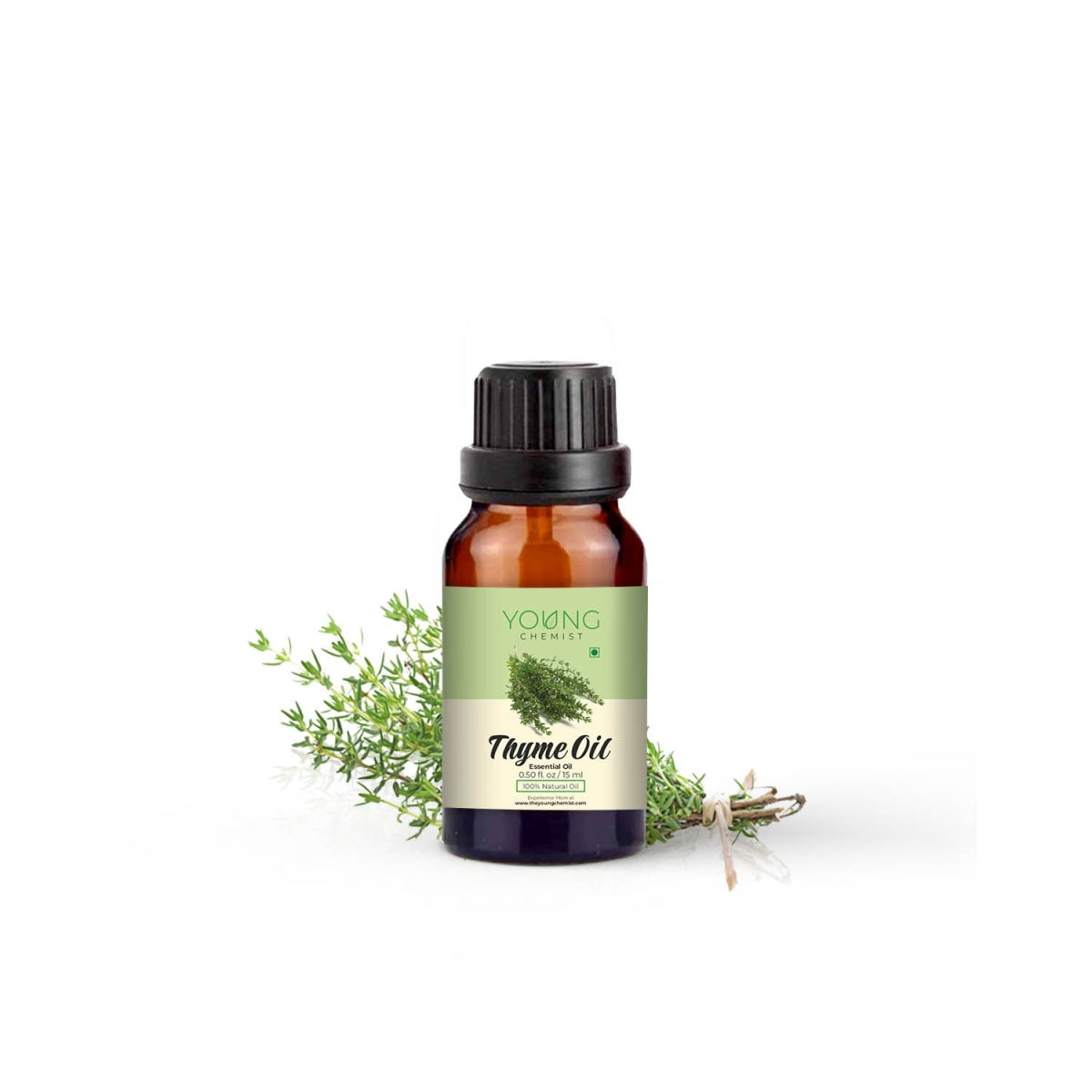
Thyme essential oil is extracted from plant through steam/hydro distillation. Thyme is an herb in the mint family, which is often used as a spice in cooking. Aside from adding flavor, the herb also has medicinal properties. The oil has anti-inflammatory, antimicrobial, and antioxidant effects that treat everything. Thyme is also used in common mouthwashes, face masks, and nasal sprays.
Thyme Oil is a powerful essential oil known for its strong antibacterial, immunity-boosting, and cleansing properties—making it incredibly useful in daily life. Extracted from premium Thyme leaves, this therapeutic oil contains thymol, antioxidants, and natural antiviral compounds that support personal wellness, skin protection, and home hygiene. Its warm, herbal aroma makes it ideal for aromatherapy, skincare, haircare, and household cleaning routines.
In everyday use, Thyme Oil is highly valued for its natural immunity support. When diffused, it helps purify the air, reduce seasonal discomfort, and promote cleaner breathing. Its refreshing aroma brings clarity, focus, and a sense of well-being ideal for homes, offices, and study areas.
For the skin, when properly diluted, Thyme Oil helps combat acne-causing bacteria, reduce inflammation, and support clearer, healthier skin. It is especially beneficial for oily or acne-prone complexions. A few drops added to DIY skincare blends provide gentle yet effective protection.
Thyme Oil is also useful for hair and scalp care. When mixed with carrier oils or shampoos, it helps reduce dandruff, improve circulation, and promote a clean, refreshed scalp, perfect for routine haircare.
In-home cleaning, Thyme Oil acts as a natural disinfectant, making it great for DIY cleaners, surface sprays, and deodorizing blends.
Our Thyme Oil is 100% pure, steam-distilled, and free from parabens, silicones, mineral oils, and artificial fragrances, ensuring safe, natural, and high-quality daily use.
Blends well with:
Bergamot oil, Grapefruit oil, Lavender oil, and Rosemary oil
| Title | Description |
|---|---|
| No specifications available. | |
Always dilute Thyme Oil with a carrier oil such as coconut, jojoba, or almond before applying to the skin. For respiratory support, add 2–3 drops to hot water and inhale the steam or use in a diffuser to clear airways. For skincare, apply the diluted oil to acne-prone or irritated areas using gentle circular motions. For muscle or joint pain, massage the diluted oil onto the affected areas for 5–10 minutes. To boost immunity, diffuse 1–2 drops regularly. Use 2–3 times a week, avoid undiluted application, and perform a patch test before applying to sensitive skin.
Thyme Oil is a powerful essential oil known for its antimicrobial, anti-inflammatory, and immune-boosting properties. It helps fight bacteria, fungi, and environmental pollutants, making it effective for acne-prone and irritated skin. This therapeutic oil supports respiratory health by easing congestion and promoting easier breathing. When applied topically (diluted), Thyme Oil helps reduce muscle pain, stiffness, and inflammation. Its stimulating aroma enhances focus, reduces fatigue, and boosts mood. Rich in antioxidants, Thyme Oil protects the skin from oxidative stress, promotes healing, and strengthens overall wellness. Ideal for aromatherapy, skincare, massage, and natural healing routines.

High quality and arrived on time!
Good thyme oil and very much effective on hairs.
Best oil I used so far, it helps me in relive the pain of pcos, nerve pain
Its a good quality essential oil.. Hv been using it regularly on my hair. best thyme essential oil for hair,.,
I love the fragrance and really gives relaxing feelings.
Thyme essential oil, derived from the Thymus vulgaris herb, is a potent oil renowned for its diverse therapeutic properties. Its primary benefits stem from a high concentration of natural compounds like thymol and carvacrol.
No, Thyme essential oil should never be applied "neat" (undiluted) directly to the skin. Thyme is considered a "hot" oil, meaning it has a high potential to cause skin irritation, redness, or sensitization when used at full strength.
Yes, Thyme oil is popular in natural hair care and is often included in remedies for the scalp.
How it helps:
For Hair Growth: Thyme oil is believed to be a circulatory stimulant. When massaged into the scalp, its properties may help improve blood flow to the hair follicles, promoting a better environment for hair growth.
For Dandruff: Its powerful antifungal properties can help combat Malassezia, the yeast often responsible for dandruff and a flaky scalp, making it an effective addition to your scalp treatment routine.
Thyme oil's expectorant and antimicrobial properties make it excellent for supporting respiratory wellness.
Safe and Effective Methods:
Aromatherapy Diffusion: Add 3-5 drops of thyme oil to a water-based essential oil diffuser. Inhale the aromatic vapor to help open airways and purify the air.
Steam Inhalation: Add 1-2 drops to a bowl of hot (not boiling) water, cover your head with a towel, close your eyes, and inhale deeply for a few minutes.
Chest Rub (Diluted): Blend a few drops of thyme oil into a carrier oil or an unscented balm and gently rub it onto your chest and throat area.
The difference lies in the processing and purity of the essential oil.
Red Thyme Oil: This is the product of the first distillation and is typically stronger, with a darker color and a more intense, medicinal scent. It contains higher levels of the potent components (like thymol) and is more likely to cause skin irritation.
White Thyme Oil: This results from a second, redistillation process that removes some of the harsher constituents. It is lighter in color (pale yellow to clear), gentler, and has a softer, less medicinal aroma, making it the more common choice for aromatherapy and topical applications.
Absolutely, Thyme oil is a fantastic addition to natural home cleaning products due to its potent antimicrobial properties, particularly from the compound thymol.
Proper storage is crucial for preserving the therapeutic quality and shelf life of thyme essential oil.
Cool & Dark: Essential oils are sensitive to light and heat, which can cause them to oxidize and lose potency. Store your oil in a cool, dark place, away from direct sunlight (a cabinet is ideal).
Airtight Containers: Always keep the bottle tightly capped to prevent exposure to oxygen, which speeds up degradation.
Original Bottle: Essential oils should be stored in their original dark glass bottle (usually amber or cobalt blue) to protect the contents from UV light.
Thyme oil has a strong, herbaceous, and spicy scent, which can be balanced and complemented by several other essential oils, making it versatile for blends.
Popular Blending Partners:
Herbal & Minty: Rosemary, Lavender, Eucalyptus, Peppermint.
Citrus: Lemon, Bergamot, Grapefruit (add a bright note).
Woody & Earthy: Cedarwood, Frankincense, Pine (good for deep cleaning or respiratory blends).
Yes, due to its potency, there are specific safety precautions, especially regarding topical use and certain health conditions.
Dilution is Mandatory: As a "hot" oil, always dilute it before applying to the skin.
Sensitive Groups: Consult a healthcare professional before using Thyme oil if you are pregnant, breastfeeding, or using it on children.
Internal Use: Thyme essential oil should generally not be ingested unless under the direct guidance of a qualified practitioner.
Blood Clotting: Due to its potential to slow blood clotting, individuals on blood-thinning medications or scheduled for surgery should avoid it.
Yes, when used correctly in a diluted form, Thyme oil can be a beneficial natural ingredient for clarifying and soothing blemish-prone skin.
The Clarifying Action: Its well-documented antibacterial properties make it effective at targeting P. acnes (the bacteria associated with acne breakouts). The anti-inflammatory action can also help reduce the redness and swelling of existing blemishes, promoting a clearer, calmer complexion. Remember to use a very low dilution (0.5% to 1%) for facial applications.
High quality and arrived on time!
Good thyme oil and very much effective on hairs.
Best oil I used so far, it helps me in relive the pain of pcos, nerve pain
Its a good quality essential oil.. Hv been using it regularly on my hair. best thyme essential oil for hair,.,
I love the fragrance and really gives relaxing feelings.