-
No Item Added in Cart.


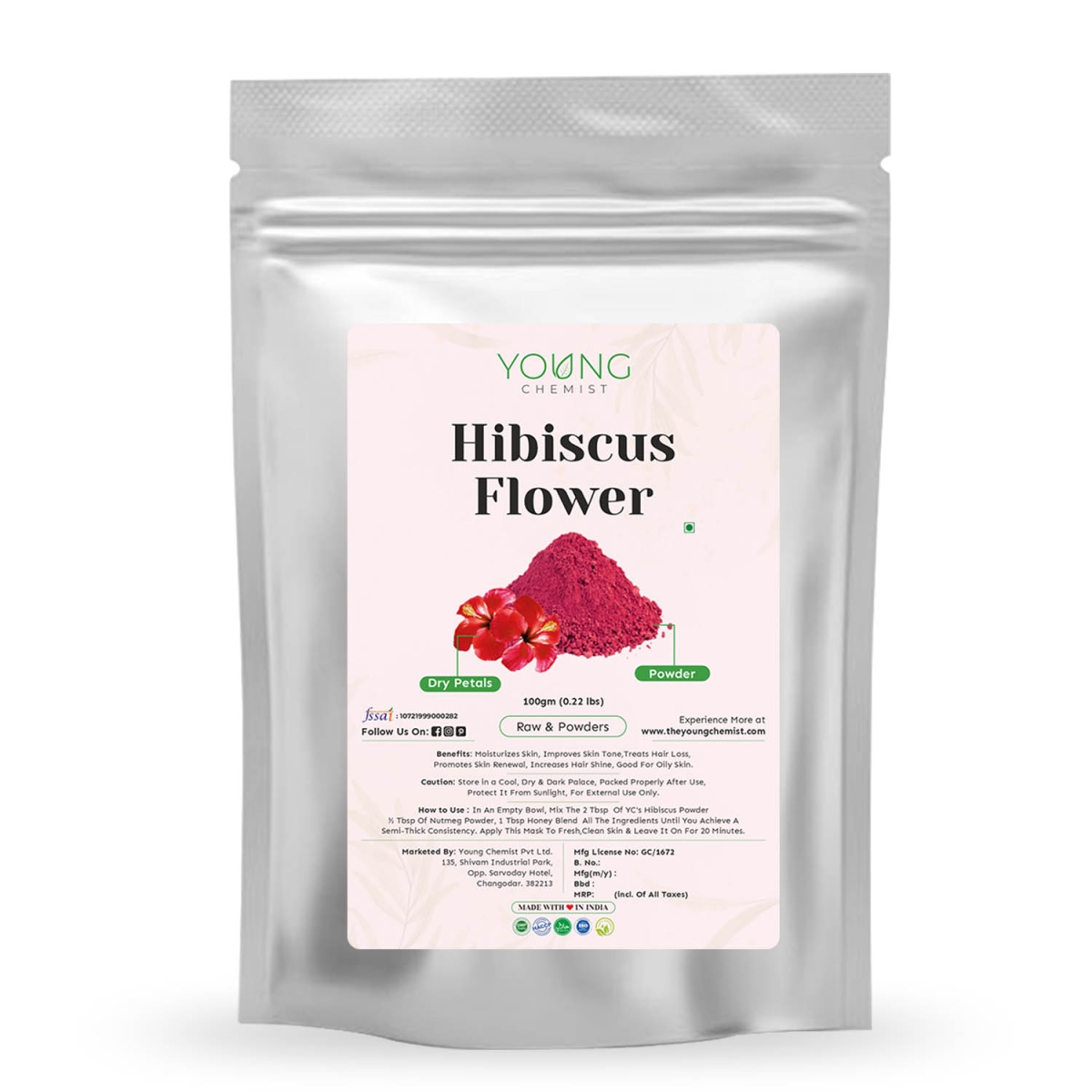
Hibiscus is the most well-known herb for promoting hair growth. If you suffer from hair loss, then Hibiscus flowers and leaves serve as the perfect remedy for you as it reduces hair fall. Hibiscus flowers and hibiscus leaves are used to cure hair problems. The origins of Hibiscus Sabdariffa can be traced to tropical Africa.
Hibiscus Flower products bring vibrant color, gentle care, and time-honored benefits to your daily routine. Rich in antioxidants, vitamin C, and natural AHAs, hibiscus supports glowing skin, smooth texture, and a fresh, even-toned look. In hair care, hibiscus is loved for helping strengthen roots, reduce breakage, and promote a soft, silky shine—ideal for DIY masks, rinses, and oils. Its tangy, ruby infusion also makes a delicious hibiscus tea that refreshes after workouts and complements a clean-living lifestyle.
Versatile and easy to use, our premium dried Hibiscus petals/powder blend effortlessly into teas, lemonades, mocktails, jams, and baked goods as a natural food color. For beauty, add to face masks, steam facials, and toners to help refine pores and brighten dullness (always patch test). For hair, combine with aloe, fenugreek, or amla to craft nourishing masks and scalp-comforting oils. Thoughtfully sourced and carefully packed, these petals deliver bold color, bright aroma, and consistent quality—without artificial additives.
Whether you’re elevating self-care rituals or crafting café-style drinks at home, Hibiscus Flower offers a simple way to add plant-based goodness to every day. Choose hibiscus for skin radiance, hair nourishment, refreshing beverages, and natural color—a beautiful botanical that fits modern wellness and minimalist routines.
How is hibiscus known in your area?
| Title | Description |
|---|---|
| No specifications available. | |
Tea: Steep 1–2 tsp dried Hibiscus petals in 200–250 ml hot water for 5–7 minutes; sweeten or add lemon (watch it turn ruby-purple).
Skin care: Mix hibiscus powder with rose water or yogurt for a 10–15 minute glow mask; patch test first.
Hair care: Blend powder with aloe/henna/amla for a nourishing mask; leave 20–30 minutes and rinse.
Oil infusion: Warm petals in coconut/sesame oil, cool, strain, and massage into scalp 2–3 times weekly.
Culinary: Add petals/powder to lemonades, mocktails, jams, and bakes for natural color.
Store airtight; avoid eye contact and fabrics (may stain).
Hibiscus Flower is rich in antioxidants, vitamin C, and gentle AHAs that help brighten dull skin, support an even tone, and promote a natural glow. As a hair-care ally, hibiscus helps strengthen roots, reduce breakage, and encourage soft, silky shine while comforting the scalp. Its tangy herbal infusion is a refreshing, caffeine-free tea that hydrates and supports mindful wellness. Used regularly, hibiscus can help refine the look of pores, smooth texture, and refresh tired-looking skin. Versatile and plant-based, hibiscus petals/powder fit beauty, beverage, and culinary routines—perfect for those seeking natural radiance, everyday nourishment, and clean, minimalist self-care.
The Hibiscus Flower (Hibiscus sabdariffa) is rich in potent antioxidants, most notably Anthocyanins (which give it its deep red color) and high concentrations of Alpha Hydroxy Acids (AHAs). It earns the nickname "Botox Plant" because its compounds naturally help to firm and lift the skin, improve elasticity, and promote a smoother, more youthful appearance without harsh intervention.
Hibiscus contains natural Citric Acid and Malic Acid, which are mild forms of Alpha Hydroxy Acids (AHAs). These gentle organic acids work by dissolving the bonds between dead skin cells, promoting a mild, non-irritating exfoliation. This cellular turnover helps to unclog pores, smooth rough texture, and reveal brighter, fresher skin underneath.
Hibiscus is legendary in hair care for its ability to stimulate hair growth and prevent hair fall. It is rich in natural mucilage and amino acids that deeply nourish the hair roots and condition the strands. Using Hibiscus masks or rinses helps to strengthen follicles, add incredible shine, and prevent premature graying, leading to noticeably thicker, softer hair.
Hibiscus tea (made from the calyx of the flower) is packed with anthocyanins and other flavonoids that have been scientifically studied for their cardiovascular benefits. It acts as a natural ACE inhibitor and mild diuretic, which helps to relax blood vessels and manage fluid balance, promoting healthy blood flow and assisting in maintaining blood pressure already within a normal range.
Yes. The Hibiscus flower is rich in a natural, gooey substance called mucilage. When mixed with water, this mucilage becomes highly emollient, acting as a superb natural conditioner. It provides deep, lasting moisture to dry hair strands, making them incredibly soft, manageable, and frizz-free without the use of synthetic chemicals.
The anthocyanins and Vitamin C in Hibiscus are potent antioxidants that help to combat free radical damage and oxidative stress. This protection is vital for preserving collagen and elastin, the proteins responsible for youthful skin structure. Regular use helps to delay visible signs of aging and promotes long-term cellular health.
Hibiscus tea is known for its mild diuretic and detoxifying properties. It aids in eliminating waste and excess water, supporting healthy kidney and liver function. Furthermore, the mild acidity and antioxidants help to soothe the digestive tract and maintain a healthy, balanced system.
To create a natural hair rinse, simply steep 2 tablespoons of dried Hibiscus flowers or powder in 2 cups of boiling water for 30 minutes, then strain. Once cooled, use this vibrant liquid as a final rinse after shampooing and conditioning your hair. It will leave your hair with a natural softness and a beautiful, healthy sheen.
The color is entirely natural and derived from the safe, water-soluble anthocyanins. While the deep red infusion is used to give a subtle reddish tint to dark hair (especially when mixed with Henna) and to add a pop of color to lip balms and soaps, it does not permanently stain the skin and is considered a safe, natural cosmetic colorant.
Wellness: Drink 1-2 cups of caffeine-free Hibiscus tea daily (hot or iced) for cardiovascular and hydration benefits.
Skincare: Use Hibiscus powder mixed with honey or clay as a rejuvenating facial mask 1-2 times a week.
Hair Care: Incorporate Hibiscus-infused oil or powder into your weekly hair mask routine to boost growth and conditioning.