-
No Item Added in Cart.


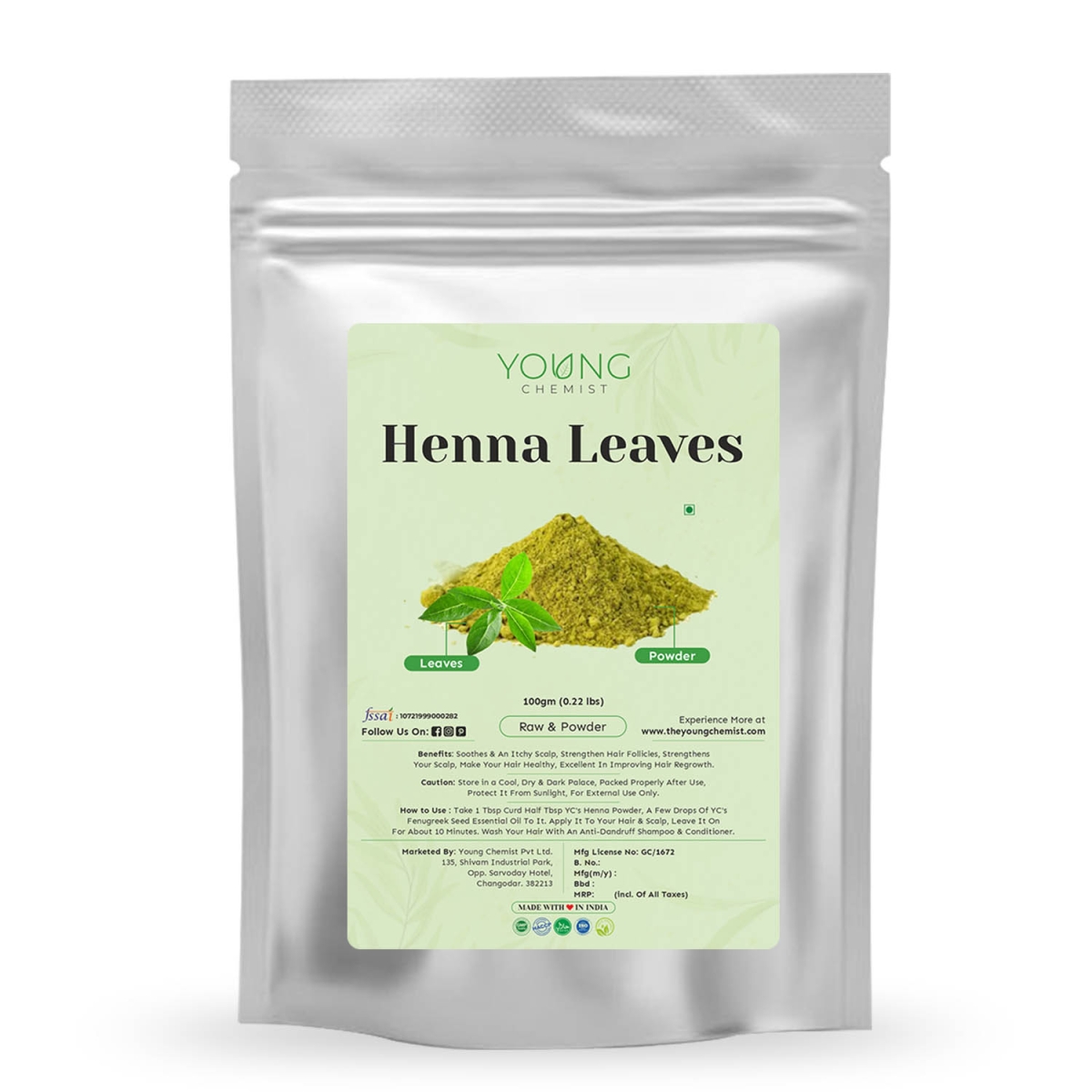
The Henna plant is popularly called Mehendi; it is cultivated in India, with its leaves being used by women, as a natural hair dye, as well as for decorative body art, particularly on hands and feet. The antioxidants like tannins, catechins, flavonoids, essential fatty acids, and vitamin E have beneficial traits for hair health.
Henna Leaves are a timeless beauty staple for natural hair color, deep conditioning, and soothing scalp care. Milled from premium leaves rich in the pigment lawsone, our Henna Powder imparts a soft reddish-brown tint while helping hair feel thicker, smoother, and more manageable. Free from ammonia and harsh chemicals, it’s a clean, plant-based choice for those seeking chemical-free hair color and weekly hair masks.
Beyond color, Henna is loved for its balancing effect on the scalp. Regular use helps reduce product buildup, supports a fresher scalp environment, and promotes natural shine from root to tip. Its cooling nature makes it a favorite in traditional mehndi body art and DIY beauty rituals, from glosses and herbal blends to pre-wash treatments. Mix with botanicals like indigo, amla, or brahmi to customize tone, boost strength, and create your perfect routine.
Easy to apply and rinse, our Henna Leaves/Powder delivers consistent texture, vibrant stain, and salon-worthy results at home. Whether you’re covering early greys, enhancing undertones, or simply boosting softness and volume, Henna offers a versatile, budget-friendly path to healthy-looking hair.
Henna Leaves for natural hair dye, scalp comfort, and long-lasting shine—a heritage beauty essential that fits modern, minimalist routines.
How are Henna leaves known in your area?
| Title | Description |
|---|---|
| No specifications available. | |
In a non-metal bowl, mix henna powder with warm water, brewed tea, or coffee to a yogurt-like paste; rest 30–60 minutes (optional dye release). On clean, dry hair, section and apply root to tip with a brush; cover with a shower cap. Leave 45–120 minutes (longer for deeper stain). Rinse thoroughly with water; mild conditioner only on first rinse. For darker browns, apply henna first, then indigo (two-step), or blend both for one-step brunette. For conditioning gloss, mix henna with conditioner. Always patch test, wear gloves, protect skin line with balm, and avoid metal tools. Use every 3–6 weeks.
Henna Leaves (henna powder) deliver natural hair dye, deep conditioning, and soothing scalp care—without ammonia or harsh chemicals. Rich in lawsone, henna provides a soft reddish-brown tint, helps cover early greys, and enhances shine, volume, and manageability. Its cooling, antimicrobial nature supports a fresher scalp, reduces buildup, and helps balance excess oil. Regular henna masks can strengthen strands, reduce breakage, and improve overall hair texture. Versatile in blends, henna pairs well with indigo for brunette tones and with amla/brahmi for strength and tone refinement. Clean, plant-based, and budget-friendly, henna benefits suit minimalist, Ayurvedic, and sensitive-scalp routines.
Henna Leaf Powder is made by drying and finely crushing the leaves of the Henna plant (Lawsonia inermis). The natural coloring power comes from a molecule called Lawsone, which is released when the powder is mixed with an acidic liquid (like lemon juice or vinegar). Lawsone naturally binds to the keratin protein in the hair shaft, permanently staining it a rich, warm red-orange hue without stripping or damaging the hair's structure.
Henna acts as a powerful, deep conditioner because Lawsone not only deposits color but also coats the outer cuticle of the hair shaft. This protective coating seals the cuticle, making the hair thicker, smoother, and more resilient. The result is dramatically reduced frizz, enhanced manageability, and a beautiful, mirror-like shine that lasts for weeks.
Yes. Henna possesses natural antifungal and antimicrobial properties. When applied as a scalp mask, it works to balance the scalp's pH level, reducing excess oil and buildup that often contribute to dandruff and itchiness. This soothing, purifying action helps to maintain a clean, healthy scalp environment, supporting optimal hair health.
Absolutely. By coating and thickening the individual hair strands, Henna effectively increases the hair's tensile strength. This external fortification helps to prevent breakage and minimize damage from heat styling or environmental stress. Over time, regular Henna treatments lead to hair that feels notably thicker, stronger, and more resistant to splitting.
Yes, Henna is highly effective at covering gray hair. It provides 100% gray coverage by staining the grays a fiery, vibrant red-orange. Unlike chemical dyes that penetrate and damage the hair cortex, Henna adheres to the outside, improving hair health. While it only comes in a single red color, it can be mixed with other plant dyes (like Indigo or Cassia) to achieve brown or black shades.
For optimal color release, mix Henna Powder with a mildly acidic liquid (like strong brewed tea or lemon juice) to a yogurt consistency. Allow the mixture to "dye release" (usually 4 to 12 hours) until a small surface patch shows color. Apply the paste evenly to clean, dry hair, leave it on for 2 to 4 hours, and rinse thoroughly.
Yes. When used on the skin, Henna is a natural cooling agent and has mild astringent and antibacterial properties. In traditional Mehndi, the paste is applied to create intricate body art. Lawsone molecules migrate into the topmost layer of skin (the epidermis) and stain the cells a deep, rich brown, which fades naturally as the skin exfoliates.
Henna is often mixed with other herbal powders:
Indigo: Mixed with Henna to achieve rich brown and jet black shades.
Cassia Obovata ("Neutral Henna"): Mixed with Henna to dilute the red and achieve strawberry blonde or copper tones, or used alone as a pure conditioner.
Amla Powder: Added to Henna to help tone down the redness and enhance hair thickening.
Pure Henna is never black. Products sold as "Black Henna" often contain a chemical dye called PPD (para-phenylenediamine), which can cause severe allergic reactions, permanent scarring, and chemical burns. To ensure safety, always purchase 100% pure Lawsonia inermis powder from a reputable source, and look for certifications or ingredient lists that confirm no PPD or metallic salts.
The Lawsone molecule acts by adding a micro-layer of coating to each individual hair strand. This coating instantly plumps the hair shaft, making the hair feel substantially thicker and denser, especially over time. The long-term benefit is hair that is more voluminous, holds styles better, and is significantly more protected from environmental damage and chemical stressors.