-
No Item Added in Cart.


| Title | Description |
|---|---|
| No specifications available. | |
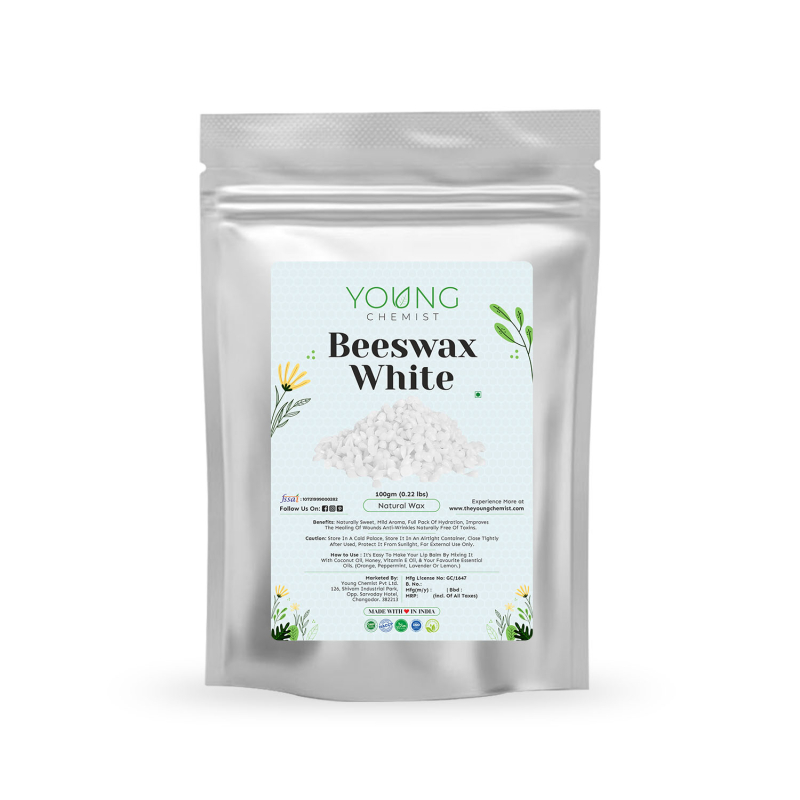
Melt Beeswax gently using a double boiler and blend it with oils, butters, or essential oils to create balms, lotions, and creams. Use it as a natural thickener in DIY skincare like lip balms, body butters, salves, and ointments. For direct use, warm a tiny amount between your fingers and apply it to dry areas such as elbows, heels, or cuticles for instant protection. Mix it with carrier oils to make a soothing chest rub or moisturizing salve. Beeswax is also ideal for candle-making due to its clean burn. Use regularly for soft, protected, and well-nourished skin.
A healthy Environment
Natural Skin Care
Beeswax is a 100% natural wax secreted by worker honey bees (Apis mellifera). Bees use this wax to build the hexagonal cells (the honeycomb) in their nests, which are used to store honey and pollen. The wax is collected by beekeepers, cleaned, and then used as a key ingredient in countless products, making it a sustainable and naturally derived raw material.
Beeswax is ideal because it creates a protective barrier on the skin's surface. Unlike petroleum-based ingredients, this barrier is occlusive (it seals in moisture) but still non-comedogenic (it won't clog pores). This barrier effectively locks in the skin's natural moisture, shields it from harsh environmental elements (like wind and cold), and helps to soothe chapped or irritated skin, making it a cornerstone ingredient in natural lip care and healing salves.
Yes, Beeswax is widely considered a superior natural alternative to petroleum jelly. While both create a protective barrier, beeswax allows the skin to breathe while still locking in moisture. Additionally, petroleum jelly is a byproduct of crude oil refining, whereas beeswax is a natural, sustainable product harvested from bees, appealing greatly to consumers seeking cleaner, more natural ingredient labels.
Beeswax has a high melting point and a strong ability to hold together balms and creams. When applied to dry skin, its firm texture ensures the moisturizing oils (like coconut or shea butter) stay in contact with the skin longer. The protective, non-toxic shield formed by the beeswax prevents the rapid evaporation of water from the skin, offering deep, lasting hydration and protection necessary for healing cracks on hands and feet.
Beeswax candles offer several advantages over common paraffin candles:
Cleaner Burn: Beeswax candles burn very cleanly, producing virtually no soot (soot is a respiratory irritant).
Natural Scent: They release a subtle, natural, honey-like fragrance without artificial perfumes.
Longer Burn Time: Beeswax has a higher melting point, resulting in a significantly longer burn time than the same size paraffin or soy candle.
No, Beeswax is generally not considered vegan. Since it is produced and secreted by honey bees, it is an animal-derived product. Individuals who follow a strict vegan lifestyle typically opt for plant-based waxes, such as Candelilla wax, Carnauba wax, or Soy wax, as substitutes for beeswax in their products.
Yes, for most people, beeswax is extremely safe and well-tolerated, even on sensitive skin. It is known for being non-allergenic, non-irritating, and non-sensitizing. Its protective and gentle nature is why it is commonly used in products specifically designed for babies (like diaper rash creams) and children. However, as with any product, discontinue use if a rare reaction occurs.
Beeswax plays a crucial role as a natural thickener and stabilizer in cosmetics. It helps bind oil-based ingredients and water-based ingredients together (acting as an emulsifier) and adds a desired firmness and structure to lotions, creams, and stick products like deodorant or solid perfume. This helps prevent oil and water ingredients from separating and improves the product's texture and shelf stability.
Pure, raw beeswax has an indefinite shelf life and essentially never goes bad due to its composition. However, the shelf life of a product made with beeswax (like a balm or lotion) depends on the other ingredients used (e.g., carrier oils, water, or essential oils). Generally, balms made with beeswax and oil can last 1 to 2 years if properly stored, thanks to the inherent preservative qualities of the wax barrier.
Yes, the color difference signifies the level of filtration and processing:
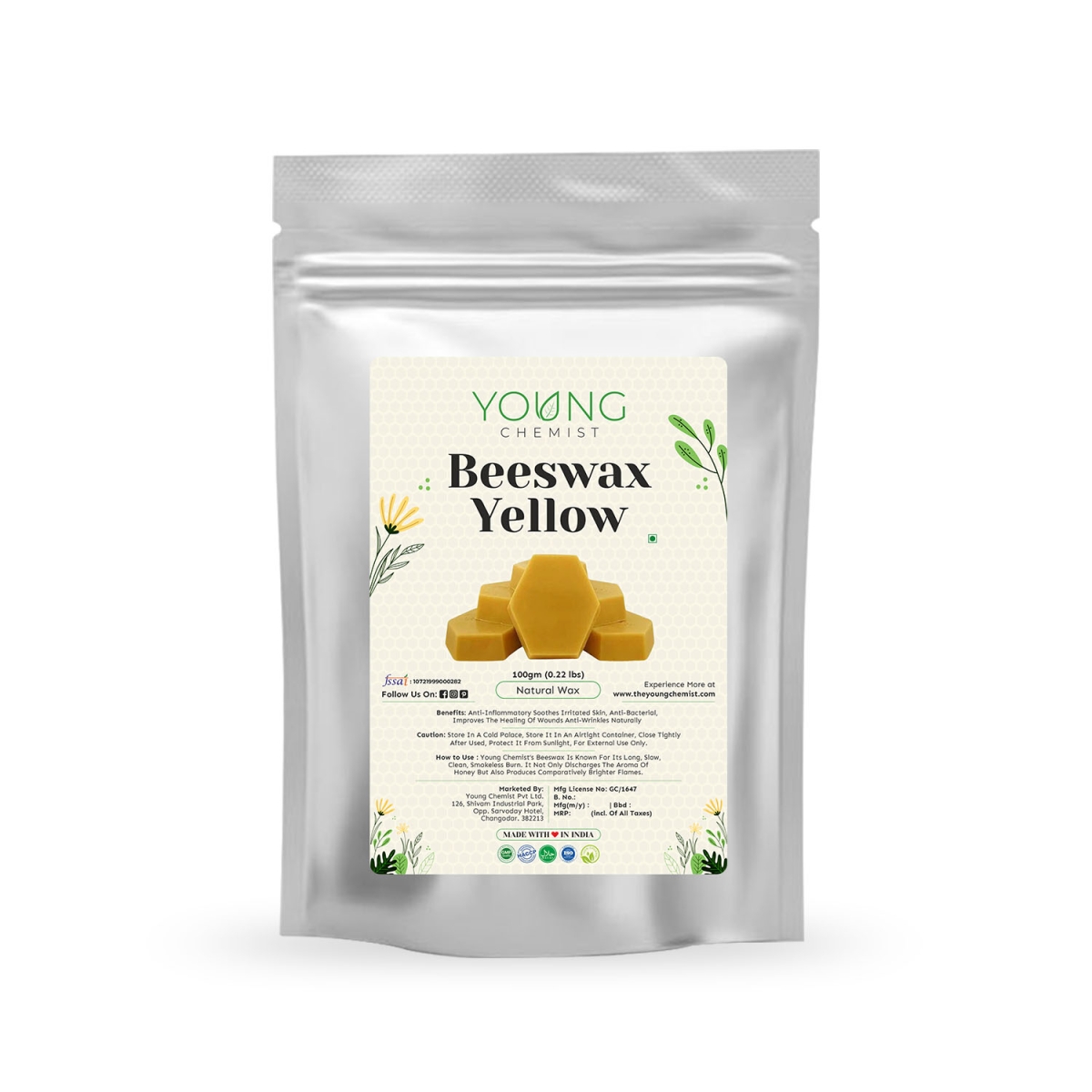
Yellow Beeswax is the most natural form. It is lightly filtered to remove hive debris and retains its natural golden color and mild honey aroma.
White Beeswax has been naturally bleached (usually by sunlight or pressure filtration) to remove the color and scent. It is used when a product needs a pure white color or an entirely unscented base, such as in pure white candle making or specific cosmetic formulations.